
Views: 0 Author: Unis Factory Publish Time: 2025-01-15 Origin: www.unis-factory.com


In today's competitive market, understanding the cost differences between PVC foam board and acrylic sheets is crucial for businesses making informed purchasing decisions. As Unis Factory, with over three decades of experience in plastic sheet manufacturing, we provide an in-depth analysis of these popular materials' cost structures and value propositions.
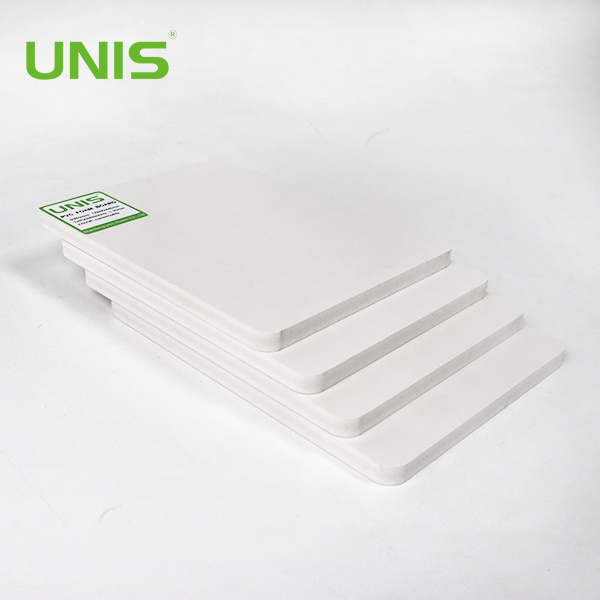
PVC foam boards typically cost 40-60% less than acrylic sheets of similar dimensions. This significant price difference stems from the fundamental manufacturing processes and raw material costs. While PVC foam boards utilize a foaming process that requires less raw material per square meter, acrylic sheets demand premium-grade PMMA (polymethyl methacrylate) resin for production.
Manufacturing processes for both materials differ substantially. PVC foam board production employs a foam extrusion process, which is relatively more cost-effective. In contrast, acrylic sheet manufacturing requires more precise temperature control and specialized equipment, contributing to higher production costs.
While acrylic sheets command a higher price point, they offer superior optical clarity and UV resistance. PVC foam boards, though more affordable, provide excellent durability for indoor applications and maintain structural integrity over time. This durability-to-cost ratio often makes PVC foam boards more economical for certain applications.
For signage applications, PVC foam boards often present a more cost-effective solution, especially for temporary or indoor displays. The material's lightweight nature reduces installation costs, while its smooth surface ensures good printability at a lower price point compared to acrylic alternatives.
In construction applications, the cost analysis becomes more complex. While acrylic sheets offer better weather resistance and transparency, PVC foam boards provide adequate performance for many indoor applications at a significantly lower cost.
Acrylic sheets typically require less frequent replacement due to their superior durability and weather resistance. However, the initial cost difference between PVC foam boards and acrylic sheets often means multiple PVC replacements can be more economical than a single acrylic installation.
The lightweight nature of PVC foam boards reduces installation costs and handling expenses. Acrylic sheets, being heavier and more brittle, may require specialized handling and installation procedures, adding to the overall project cost.
Different industries experience varying price sensitivities. The advertising industry often opts for PVC foam boards due to their cost-effectiveness for temporary displays, while high-end retail environments might prefer acrylic sheets despite the higher cost.
Unis Factory's large-scale production capacity of 2,100 tons monthly enables significant cost advantages for bulk purchases. Volume discounts typically show greater percentage savings on PVC foam boards compared to acrylic sheets due to lower base material costs.
While both materials are recyclable, PVC foam boards often have lower recycling costs. Acrylic recycling processes are more complex and expensive, potentially affecting the total lifecycle cost of the material.
Manufacturing acrylic sheets requires more energy than producing PVC foam boards, contributing to higher production costs and environmental impact considerations.
For indoor applications, PVC foam boards often provide the most cost-effective solution. Outdoor applications might justify the higher cost of acrylic sheets due to their superior weather resistance and longer lifespan.
The signage industry benefits from PVC foam boards' lower cost structure, especially for short-term promotional displays. However, permanent outdoor signage might find better long-term value in acrylic sheets despite higher initial costs.
Recent market data suggests stable pricing for PVC raw materials, while acrylic resin costs show more volatility. These trends influence the ongoing cost difference between the two materials.
Advancing manufacturing technologies continue to improve production efficiency, potentially reducing the cost gap between these materials over time.
Choosing between PVC foam boards and acrylic sheets requires careful consideration of:
Project duration requirements
Environmental exposure
Visual requirements
Budget constraints
When calculating total costs, consider:
Initial material costs
Installation expenses
Maintenance requirements
Expected lifespan
Replacement frequency

The cost difference between PVC foam boards and acrylic sheets remains significant in 2025, with PVC foam boards maintaining their position as the more economical choice for many applications. Unis Factory's extensive manufacturing experience and large-scale production capabilities enable us to offer competitive pricing while maintaining high-quality standards for both materials.
Understanding these cost differences helps businesses make informed decisions based on their specific application requirements and budget constraints. While PVC foam boards offer excellent value for many indoor and temporary applications, acrylic sheets justify their higher cost in situations demanding superior optical clarity, weather resistance, and longevity.
For businesses seeking to optimize their material costs while ensuring appropriate performance, consulting with experienced manufacturers like Unis Factory can provide valuable insights into making the most cost-effective choice for their specific needs.


